Thornhill · east of Yonge
Thornhill east of Yonge: heritage core and postwar streets
Thornhill sits on both sides of Yonge Street. The west side belongs to Vaughan; this page is about the east side, which is in Markham and holds the city's first heritage conservation district. Around that core, most houses went up from the 1960s on, as Thornhill grew alongside Toronto, and their windows are a mix of originals and earlier replacements. We connect you with an independent local professional for either kind of house.
At a glance
- Municipality
- Markham east of Yonge; Vaughan to the west
- Heritage
- Thornhill-Markham district, the first in Markham (1986)
- Housing
- Historic Yonge Street core; 1960s–80s subdivisions around it
- Common jobs
- Sash repair, sliders and casements, fogged units, patio doors
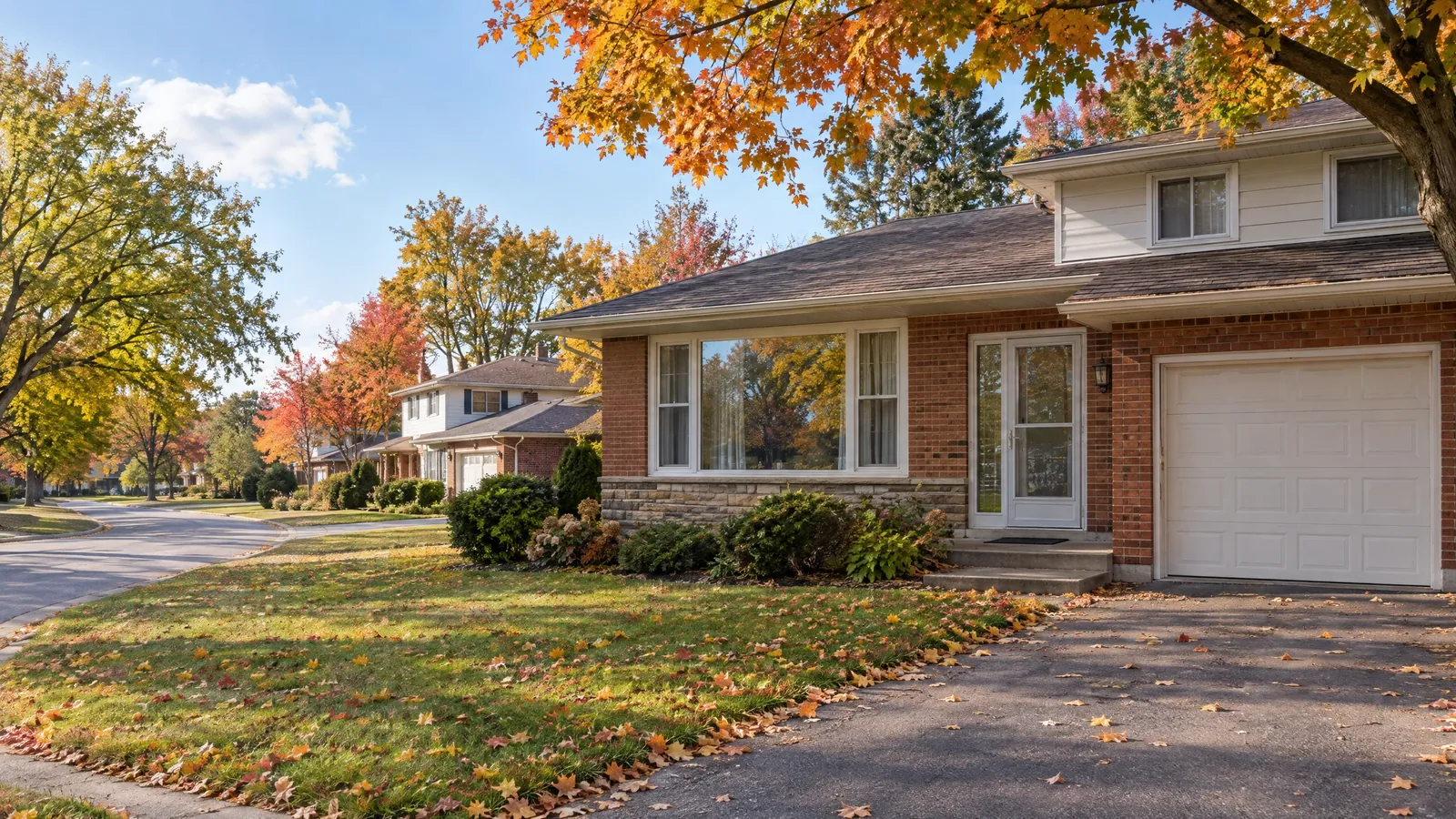
Which Thornhill? Markham east of Yonge, Vaughan to the west
Yonge Street is the municipal line. East of it, permits come from the City of Markham, and Markham's heritage district and heritage grant apply. West of it, Vaughan has its own building department and its own Thornhill heritage district, prepared at the same time as Markham's. This site doesn't set out Vaughan's rules, so check with Vaughan before any exterior change on that side. On a request, mention the side of Yonge first: it changes the paperwork, not the glass.
The Thornhill-Markham heritage district
Approved in 1986, the Thornhill-Markham district was the first in what was then the Town of Markham. Every property inside it needs a heritage permit before exterior changes, windows included, and the plan's window policy is patient: repair original frames and sash rather than replacing them, and limit the repair to the damaged parts. Often, as the plan notes, only a single sash needs replacing.
If a window is beyond repair, the plan asks for a replica in the same material, style and proportion. A wood double-glazed unit with the correct pane division and muntin bars visible from outside is a fallback; snap-in grilles and tape are not acceptable. Traditional exterior storms are its preferred route to energy efficiency. See the Thornhill district plan and our heritage window guide.
1960s–80s homes: sliders, casements and older replacements
The subdivisions east of Yonge filled in from the 1960s through the 1980s. Houses of that age commonly started with sliding or casement windows, and many have been re-windowed once already. Before assuming the originals are failing, check what's there: frame material, hardware and any date marked on the glass tell a pro a lot. Photograph the whole window and one frame corner.
Earlier replacements are often repairable. A slider that grinds may need rollers or a cleaned track; a casement that won't close tight may need a new operator or hinge arm. When frames are cracked or the whole house leaks air, replacement windows are worth pricing, and whether the new ones go in as inserts or full-frame makes a real difference.
Fog, drafts and patio doors
- Foggy sealed units: fog between the panes of a replacement window usually means a failed seal; the glass unit can often be changed without touching the frame.
- Window repair: drafts around a sash often come from flattened weatherstrip or a latch that no longer pulls the sash tight.
- Sliding patio doors: a door that has dropped or sticks usually needs new rollers and an adjustment first.
Quotes and permits on the Markham side
Outside the heritage district, the City's building permit page lists same-size window and door replacement, with no change to the rough opening, among work that doesn't need a building permit. Enlarging an opening, cutting a new one or changing a structural wall does. Inside the district, the heritage permit comes first. Confirm with the City before work starts.
Ask for a written quote that names the kind of work and prices each window; that makes two quotes comparable. When you're ready, send the request with your street.
Thornhill questions
Is Thornhill in Markham or Vaughan?
Both. Yonge Street divides it: the east side is in the City of Markham and the west side is in Vaughan. Each side has its own heritage district and its own permit office. This page covers the Markham side.
Do heritage rules apply to my Thornhill house?
Only if it's inside the Thornhill-Markham heritage district or individually designated. Inside the district, every property needs a heritage permit before exterior window changes, whatever its age. Houses in the later subdivisions east of Yonge are typically outside it. Heritage staff can confirm your address, and our heritage guide explains the process.
Can older sliding windows be repaired?
In many cases. A slider that grinds, won't lock or lets in air usually has one tired part: rollers, a track full of grit, a keeper that has shifted, or weatherstrip that has flattened. Those are small repairs. If the frame itself has cracked or bowed, or several sealed units have fogged at once, it's time to price replacement.
My Thornhill house got new windows in the 1990s. Are they worth repairing?
Often, yes. Windows from a first round of replacement are frequently sound in the frame and failing only in the parts that wear: sealed units, rollers, cranks and weatherstrip. Those can be fixed window by window. If the frames themselves have cracked, yellowed badly or pulled away from the wall, pricing replacement windows makes more sense.
In the Thornhill heritage district, which comes first: the quote or the heritage permit?
Get a written scope first, then apply. A heritage permit application has to describe the work, and a pro's itemized quote, saying which sash are repaired and what any replacement is made of, gives heritage staff something concrete to review. No work starts until the permit is granted. A building permit is a separate question; see the City's building permit page.