Markham Village · Main Street Markham
Markham Village: old sash, original glass and Main Street shopfronts
Markham Village was the original downtown, settled by Mennonite families and first known as Reesorville before it took the Markham name and became a village in 1873. Most of the buildings its heritage district study singled out predate 1900, and the district's design guidelines are the city's most specific on windows: keep the old glass, keep the proportions, use wood storms. We connect owners here with independent local pros who work to those guidelines, and with storefront glass specialists for Main Street Markham.
At a glance
- Housing
- Mostly 19th-century houses in the district; later streets around it
- Typical window
- Double-hung wood sash, one-over-one or six-over-six
- Rules
- Heritage permit and the district's design guidelines
- Common jobs
- Sash repair, reglazing, wood storms, storefront plate glass
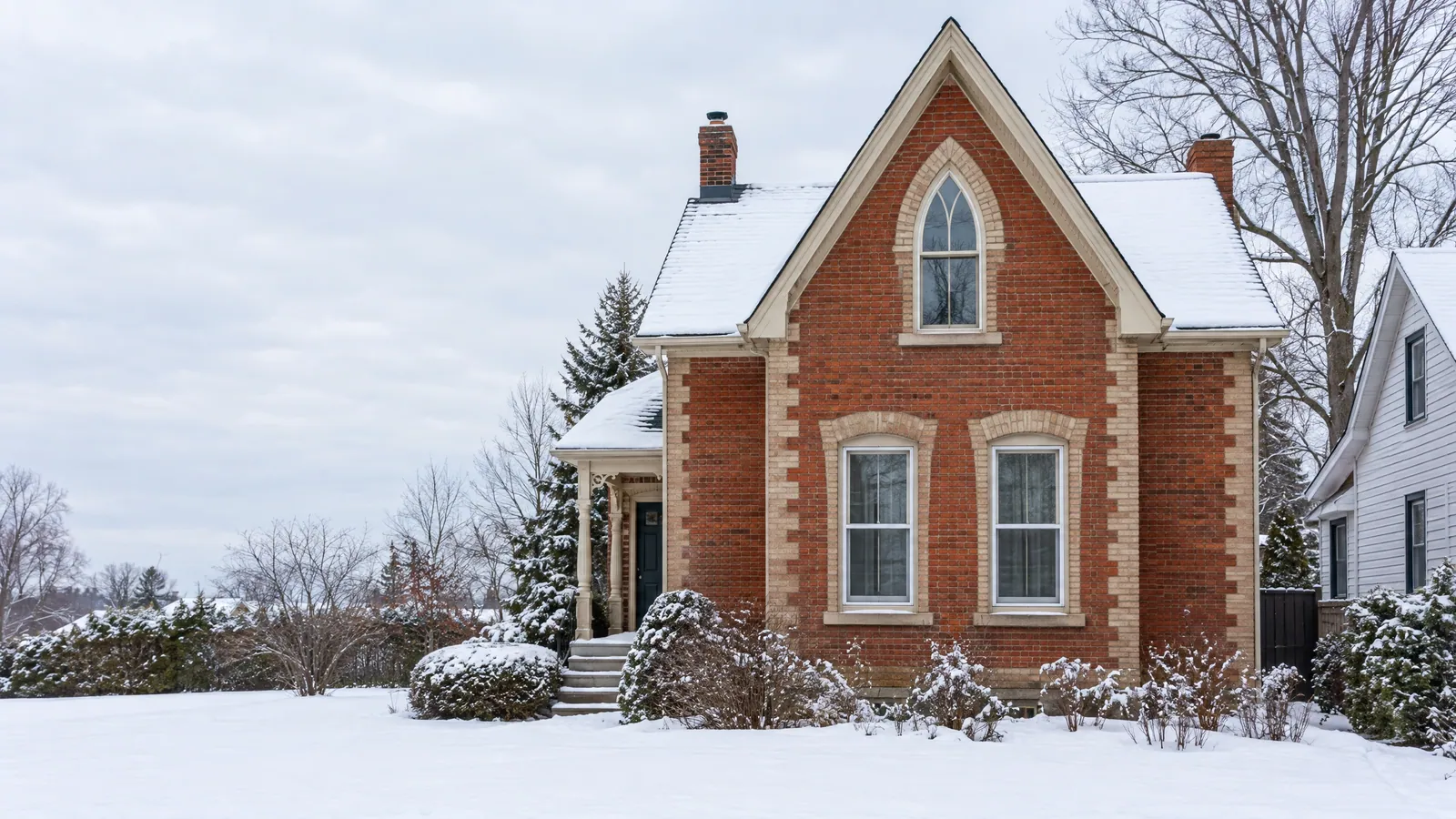
A village of 1800s houses: what's behind the windows
The guidelines name the most common window in the older houses: a double-hung wood sash, glazed one-over-one or six-over-six. Most 19th-century panes were crown glass, made by hand and available only in small sizes; larger, stronger panes arrived from the 1840s. That's part of why older sash are divided into several lights, and why an original pane can't truly be replaced like for like.
These sash were built to be taken apart. Loose putty, a soft bottom rail or a broken cord can be repaired and the old glass set back in, which is what the guidelines ask for. Wood window repair describes how the work is done.
The Markham Village guidelines in plain words
Every property in the district needs a heritage permit before exterior changes, and the district's design guidelines describe what good window work looks like there. In plain terms:
- Repair before replacing. If a window must go, reuse the frame with new sash, or fit a new frame that matches the original's size, detail, material and setback.
- Keep the glass. Reuse original glass whenever possible.
- Keep the openings. Don't fill in or enlarge window and door openings.
- No picture windows on houses. The guidelines call them not desirable for residential buildings.
Read them in full in the Markham Village building policies and guidelines. The City's heritage staff also give restoration advice and keep a directory of skilled trades. Our heritage district guide covers the permit and the City's grant.
Wood storms and curved-head windows
The guidelines prefer wood storms wherever they fit, because metal conducts cold. A good exterior storm makes an old window more efficient and shields the sash without changing the face of the house.
Curved heads, such as segmental or Gothic-arched tops, are harder to fit. For those the guidelines suggest custom-made wood storms, or interior plexiglass or interior metal storms where an exterior one isn't practical. At the front door, a simple wooden storm door is the kind the City's heritage plans encourage.
Main Street storefront glass
Main Street Markham's shopfronts are defined by large plate-glass windows at street level, and the guidelines treat that glass as part of the district's character. A broken pane is ordinary glass work, but check with heritage staff before the replacement differs in any way from what was there; changing the frame, the divisions or the entrance is an exterior alteration that needs a heritage permit.
Owners restoring a historic shopfront may be able to use the City's Heritage Property Grant. For breakage, temporary boarding and new plate glass, see storefront glass repair.
Newer homes nearby: sealed units and doors
Outside the district boundary, the later subdivisions follow ordinary City rules.
- Foggy sealed units: a fogged unit is replaced in the existing frame, with the grille pattern matched.
- Door glass: a cracked sidelight or a fogged insert in a front or garden door replaced without a new door.
Markham Village questions
Will my Markham Village sash keep its old glass after repair?
Usually, and the guidelines ask for it. The pro takes the sash out, softens and removes the old putty, lifts the panes out, repairs the wood and sets the same glass back with fresh glazing compound. Only cracked panes are replaced. Say on your request that you want the original glass kept, and ask for that in writing on the quote. See wood window repair.
Are picture windows allowed on Markham Village homes?
The guidelines call picture windows not desirable on residential buildings in the district, and they ask owners not to enlarge openings. Adding one would need a heritage permit, and heritage staff would weigh it against those guidelines. For a rear wall out of sight of the street, talk to staff early.
Can the heritage grant help restore a Main Street Markham shopfront?
Possibly. The City's Heritage Property Grant, launched in 2026, can help restore authentic historic storefronts in the heritage districts, as well as original windows and doors. It asks for two professional quotes for the same scope of work. Check the grant guidelines for current eligibility and intake dates before committing to any work.
Would vinyl replacements be approved on a Markham Village heritage house?
The guidelines don't mention vinyl by name, but they ask for repair first and, where replacement is needed, windows that match the original in material, detail and setback. On a 19th-century house that points to wood. Any exterior window change needs a heritage permit, so heritage staff make the call. On newer houses outside the district, vinyl windows are a common choice.
Who does heritage window restoration in Markham Village?
Specialist wood-window restorers, and some glass shops that take on sash work. Tell us the house is in the district and describe the windows, and we look for an independent pro who takes on sash restoration. The City's heritage staff also keep a directory of skilled trades, which is worth checking.
Does a designated heritage house get a property tax break?
Designated heritage properties in Markham can qualify for a reduction in property taxes. Being inside the district isn't the same as being individually designated, so check which applies to your house. The City's financial assistance page sets out the program and how to apply.